What Do VCs Talk About When Nobody’s Listening?
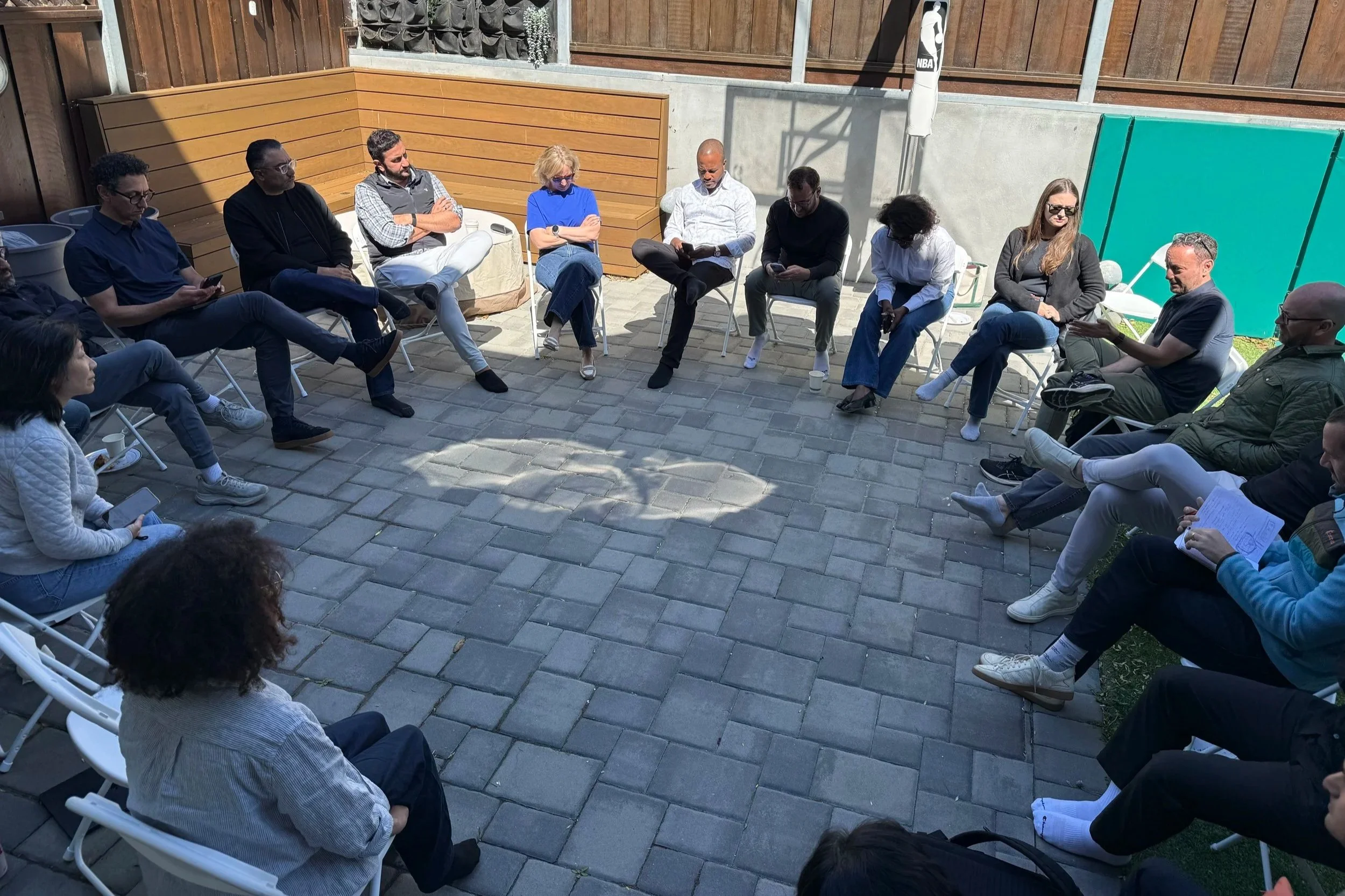
Last week, I hosted an emerging manager summit in San Francisco with more than two dozen early-stage VCs from across North America. GPs from Austin, Toronto, Seattle, Vancouver, Montreal, Missouri, Los Angeles, Halifax and more joined San Francisco and Silicon Valley colleagues for a day of sessions on the changing startup and VC landscapes.
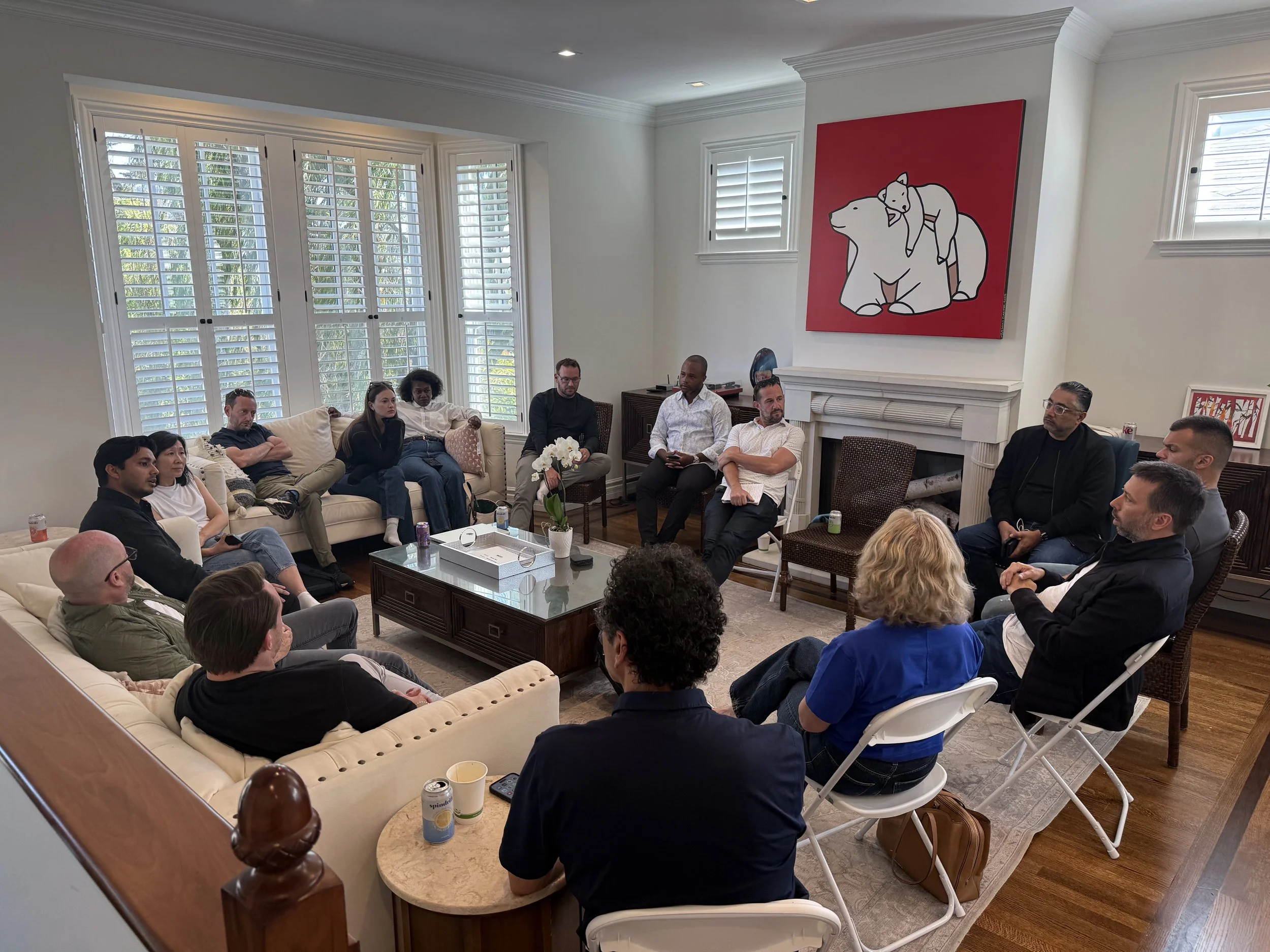
So what exactly do VCs talk about when no one is listening?
Here are 5 topics that were top-of-mind for the VCs at our emerging manager summit:
1. Liquidity
Everyone at the summit was accutely aware of the upcoming end to the SpaceX investor lockup period. The debate amongst the group was how much of an impact would that newfound liquidity have on LPs? Would emerging managers start to see more appetite to invest from family offices and institutional investors who had been waiting on DPI, or would it take another major IPO from the likes of Anthropic or OpenAI for things to shift?
2. Valuations
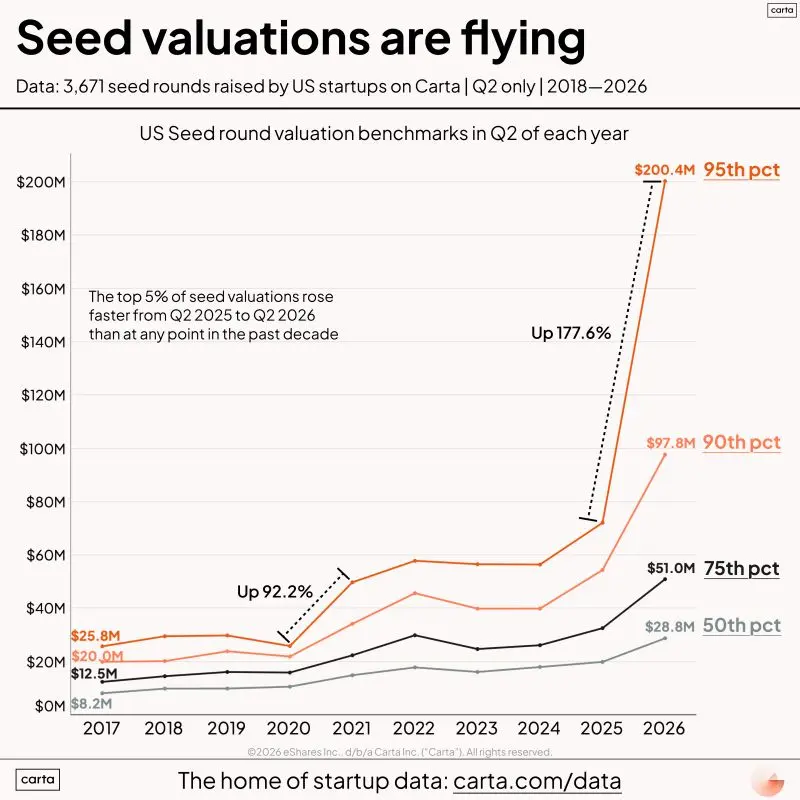
Like most residents of Startupland™, our group of VCs was eager to discuss the trend of skyrocketing Seed valuations and its potential impacts. With YC’s most recent crop of companies reportedly commanding valuations north of $40M and the most recent Carta data showing the top 5% of Seed valuations surpassing $200M, there was plenty to talk about.
3. Ownership Targets
I’ve previously written about why VCs care a lot about ownership when investing in startups. Skyrocketing valuations are challenging a number of long-held assumptions when it comes to VC fund models.
Most emerging Pre-Seed and Seed funds target 3 - 5% ownership. But rising valuations have made those ownership targets increasingly out of reach — especially for hot companies. Should smaller funds forgo ownership targets and strive to be in the best deals no matter the price? Should they remain disciplined in their approach to investing (even if that means passing on hot companies)? Or perhaps a combination of the two?
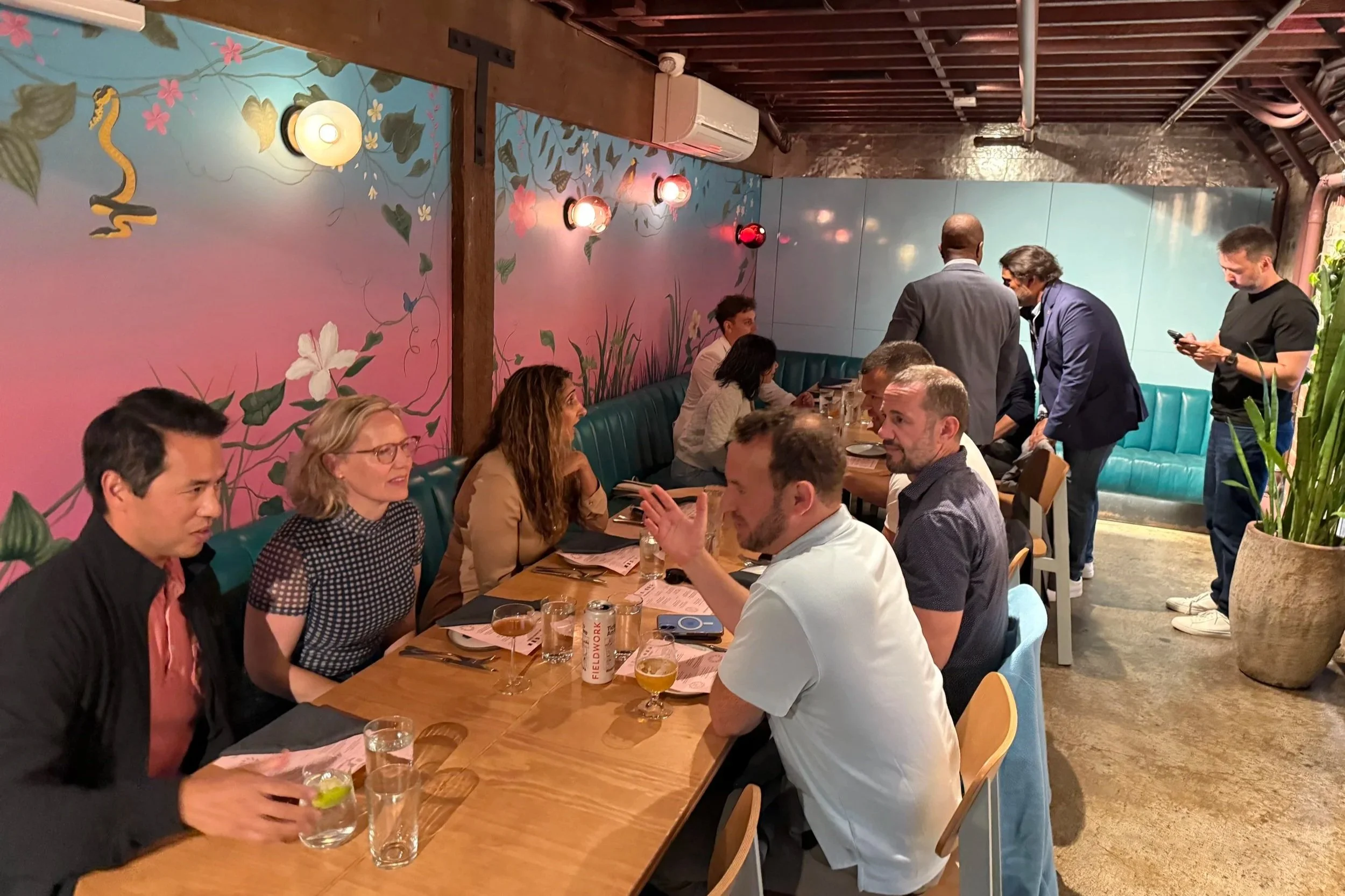
Towards the end of the day, our group of GPs was joined by the cofounder of one of Silicon Valley’s largest megafunds, who pulled back the curtain on how multi-billion dollar funds think about price and ownership. That led to an incredible back-and-forth amongst our GPs on the future of early-stage investing and the opportunities for smaller funds.
4. The Changing Age of Founders
Another hot topic at our emerging manager summit was the changing demographics of founders — specifically, age.
For more than a decade, many VCs have held a noticeable bias towards founders in their 30s, as reports repeatedly showed the average age of “successful founders” hovering around the mid- to late-30s. But the rise of AI has turned that on its head. Over the past few years, the average age of VC-backed founders has plummeted. Today, many investors are once again exhibiting a strong preference towards younger founding teams, betting that their AI-native sensibilities will trump any lack of experience.

Several of the GPs in attendance — including our guest megafund manager — shared recent data from their portfolios to quantify the trend. That led to a robust discussion that included the rise of residencies and hacker houses, the pros and cons of degen behavior, and how to evaluate founder velocity vs. experience.
5. The Opportunities in AI
Of course, we couldn’t possibly have had a gathering of tech investors without spending a considerable amount of time talking about tech. More than half of the participating VCs came from technical backgrounds. Not only does that fact have a significant impact on their propensity to invest in napkins, but it enabled us to have deep, thoughtful conversations on the state of AI and its potential future trajectories.
Open vs. closed weights, on-prem vs. cloud, the merits of forward-deployed engineers and thoughts on what will happen when the true cost of AI compute gets passed on to end customers were just a few of the topics we touched on during our technical sessions.