The Return of Solution Selling
In the late-90s and early-2000s, a sales methodology known as “solution selling” was the dominant approach for selling B2B technology products. The approach all but disappeared in the 2010s as the rise of the internet led to customers who were far more educated and informed about the market than their predecessors.
The rise of AI is upending B2B sales once again, and suddenly what’s old is new. If you’re a founder (or sales rep) selling B2B technology products, here’s what you need to know.
A Brief History of Sales Methodologies
In 1994, Michael T. Bosworth, a former software sales exec who had spent 10 years at Xerox during its heyday in the late-70s and early-80s, published a groundbreaking sales book called Solution Selling: Creating Buyers in Difficult Selling Markets. The book described a methodology that he developed by analyzing the behaviors of Xerox’s top performing sales reps.
The key concept behind solution selling is that it focuses on selling a solution to a customer’s business problems, rather than on selling the product itself. Here is how the book described the challenge,
“When products or services are hard to describe, intangible, have long sell cycles, or are expensive, chances are they're difficult to sell. In situations like this, conventional sales techniques not only don't help, they may in fact hinder success. Solution Selling is a process to take the guesswork out of difficult-to-sell, intangible products and services.”
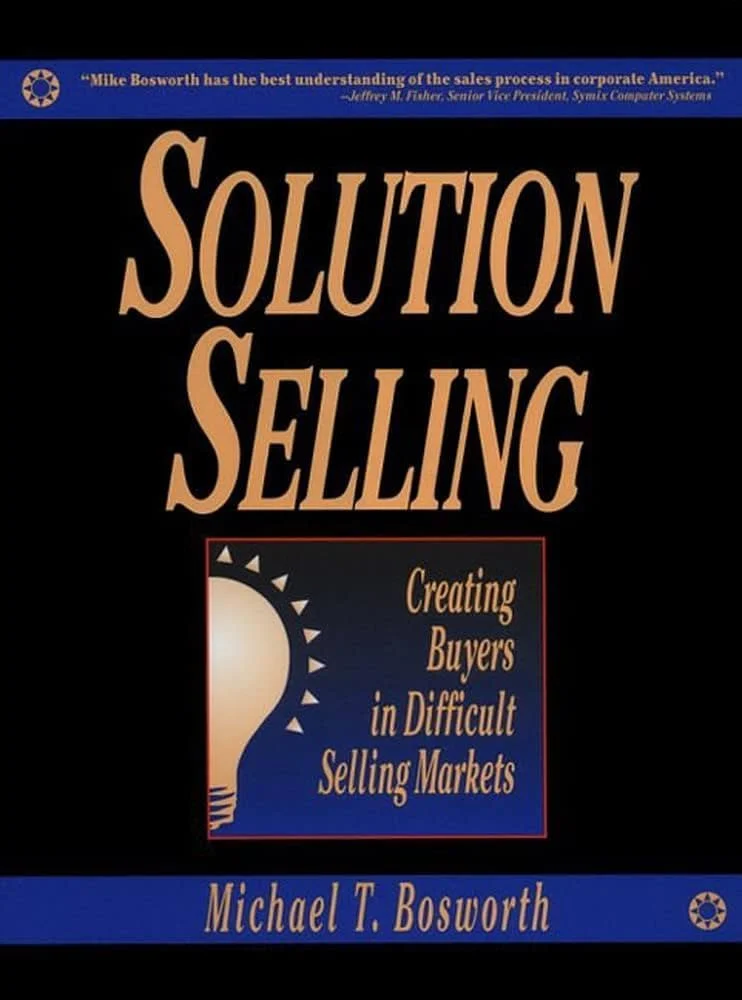
Solution selling quickly became the dominant approach for selling enterprise software and hardware products and remained so for nearly two decades. At Aster Data, we hired one of Silicon Valley’s top sales leaders, Mark Cranney (previously VP of Sales for Ben Horowitz’s company, Opsware), and many exceptional salespeople from companies that were famous for their enterprise sales prowess, including Opsware, Business Objects, PTC and Teradata. All of them were experts in variations of solution selling (and it’s no understatement to say that the education and experience I received working alongside so many incredible sales leaders had a profound impact on my career!)
But something fundamental changed in the early 2010s. Solution selling was based on the premise that the product(s) you were selling were too complex for most customers to understand. With the rise of the internet came a customer base that increasingly had done their research beforehand. In many cases, customers knew more about a vendor’s product than the sales reps did.
In 2012, Harvard Business Review wrote a blistering article titled The End of Solution Sales, which unpacked how a rise in customer education had rendered solution selling all but dead. At that time, a new sales methodology was already on the rise. One that anticipated customers who were far more educated about both their problem and the products available to solve them: challenger selling.
Introduced a year earlier in the book, The Challenger Sale: Taking Control of the Customer Conversation, the challenger sales methodology focuses on injecting insights into a prospective customer’s understanding of their problems and potential solutions. Rather than positioning the sales rep as the ultimate problem solver, it embraces the reality of well-informed customers while maintaining the notion that the sales rep is the “expert”:
“Instead of bludgeoning customers with endless facts and features about their company and products, Challengers approach customers with unique insights about how they can save or make money. They tailor their sales message to the customer's specific needs and objectives. Rather than acquiescing to the customer's every demand or objection, they are assertive, pushing back when necessary and taking control of the sale.”
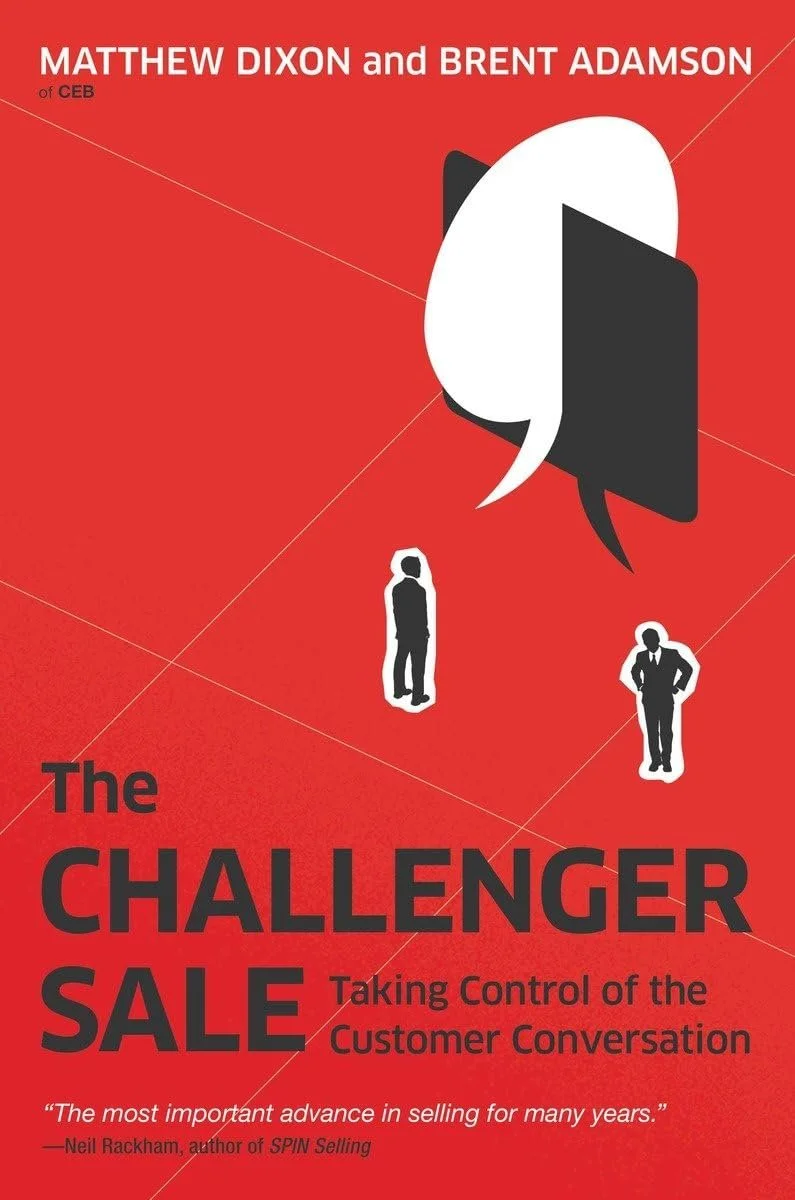
Challenger selling quickly ascended to replace solution selling as the dominant sales methodology in B2B technology sales and has remained so for the past 15 years.
Until now.
How AI is Changing Sales
The rise of AI has upended technology sales once again, though perhaps not in the way you might expect.
If you were to listen to all of the Silicon Valley tech bros, you might be under the impression that traditional sales is altogether dead. “Agents will do all of the buying and selling,” “human sales reps are going to be extinct,” and so on. But that couldn’t be further from the truth.
A few weeks ago, I wrote about how building with AI is like mowing lawns. Founders in Silicon Valley are rushing to build and adopt AI platforms to go faster, but elsewhere in the world most people and businesses are still trying to wrap their heads around what’s happening.
“Everyone in the Bay Area is trying to build and scale as fast as they possibly can,…but elsewhere in the world, a much more basic question is being asked. From students to business owners, SMBs to enterprises, the #1 question being asked is, “what does this mean for me?” Everyone knows that AI is coming. But most have no idea what to do about it.”
While the “agentification” of sales is unquestionably underway in product categories dominated by self-service offerings, B2B sales (especially outside of Silicon Valley) remains — and will remain — predominantly human-driven. But there is a key shift that is essential for founders to understand: in stark contrast to the past decade, today many B2B customers no longer feel well-informed or confident about the options available to them.
In other words, AI has caused a significant portion of B2B buyers to effectively “devolve” to a level of understanding of and confidence about technology that is more akin to the 90s than the past decade. They still know what their business problems are, but they are no longer confident in how (or if) technology can solve them.
Which means challenger selling isn’t going to work. But solution selling will.
What Founders (and Sales Reps) Should Do
If you are a founder building a B2B product designed for anyone other than developers or power users of AI, or a sales rep selling such a product, order a copy of Solution Selling (or its 2003 follow-up, The New Solution Selling) and read it front-to-back. The examples in both books are extremely dated at this point — not to mention many of the cultural references — but if you focus on the underlying concepts of understanding a prospective customer’s business problems and how to position your offering as a solution to those problems, it will quickly become clear why this approach makes sense in an age of AI.
(As a side note, I have a feeling that if we one day look back at the effectiveness of sales organizations in these early days of AI, we will find that the many of the top sales execs were older ones — reps who originally learned solution selling and were able to quickly and seamlessly switch back to that approach).
Bottom line: there is a bifurcation in sales methodologies underway. If you are building and selling a (non self-service) product for developers or other AI power users, then you should likely continue with challenger selling as your core methodology. But if you are selling to buyers who are less confident and/or knowledgable about AI, using solution selling will likely enable you to close sales at a rate your competitors can’t match.

Time to switch gears