I Totally Missed Your Email
Human etiquette is filled with performative interactions. Like all members of the animal kingdom, we have rituals around dating and mating, fighting and family. But unlike our wild friends, our etiquette has also evolved as a result of the changing nature of electronic communication.

“As per my previous email…”
Take the telephone, for example. It was invented way back in 1876 (150 years ago!), but it wasn’t until the 90s that we had a way to know who was calling before we answered. That’s right youngsters, back when I was a kid, you had to pick up the phone and say “hello?” in order to figure out if the caller was someone you wanted to speak with or a person you had desperately been trying to avoid.
(You also had to physically “pick up” the phone to answer it — none of this tapping or swiping or “Hey, Siri” nonsense…).
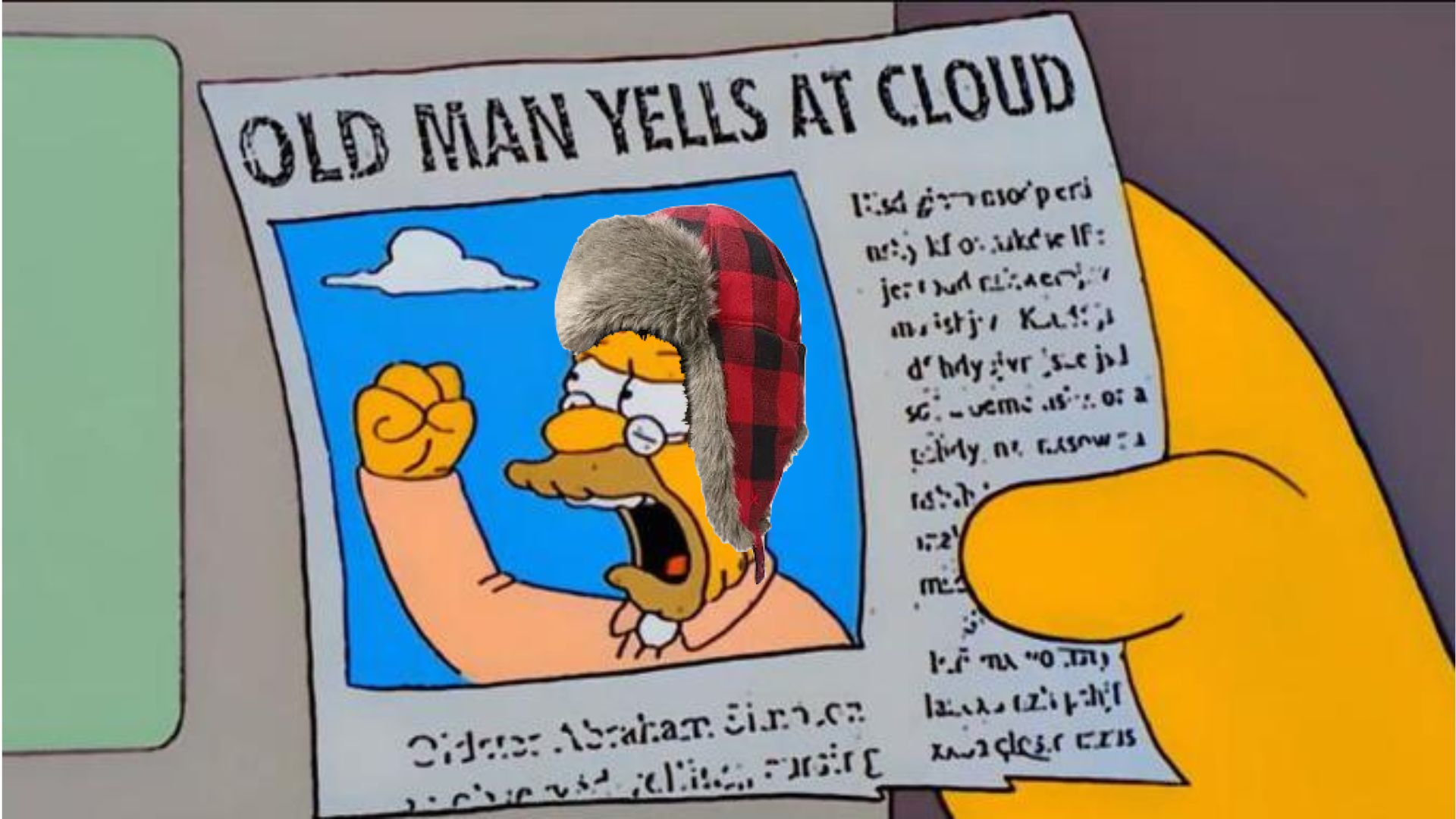
Once caller ID became mainstream, the etiquette and expectations around phone calls — especially missed calls — evolved. If you ran into someone whose phone calls you had been avoiding, you could no longer credibly claim that you didn’t know they had called. If you did, they immediately knew you were lying.
We’ve now officially reached that point with email — although a good chunk of the population still doesn’t realize it.
For most of the history of email, we didn’t actually know if the intended recipient opened an email that we sent. “Maybe it went to spam?” became the most common question asked when we didn’t get a response (and, by corollary, “It probably went to spam,” the go-to excuse when asked why we didn’t respond). Corporate email solutions, like Microsoft Exchange, have had the ability to track email opens (known as “read receipts”) for decades, but the functionality was mostly absent from mainstream email platforms.
That changed back in 2019, when an email startup named Superhuman added read receipt functionality to its client using tracking pixels (a concept that had been leveraged for years to deliver website analytics). Privacy advocates were in an uproar over the practice, but it wasn’t long before the backlash died down and other email clients began embedding similar capabilities into their products.
At this point, read receipts have been pretty widely available for more than 5 years, yet many people either don’t know they exist, forget that they exist, or delusionally believe that the person they’re interacting with isn’t using them.
I still regularly get email responses like this:
“I totally missed this email!
<response to the original email>
LMK and so sorry for being late.”
Meanwhile, the read history for the original email I sent looks like this:
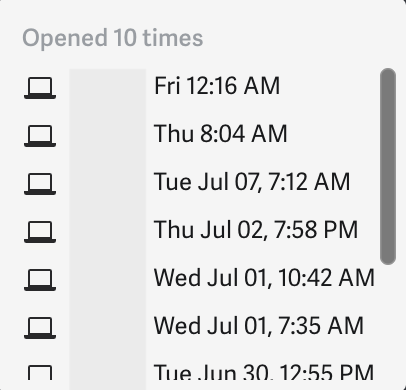
We’ve all done this before — reading and re-reading an email before deciding whether or not to respond — and it’s honestly not a big deal if we’re talking about emails between friends or work colleagues. But if you’re a resident of Startupland™ responding to an email from a potential investor, another founder, or someone else you’re trying to build a relationship with, you absolutely need to stop doing this.
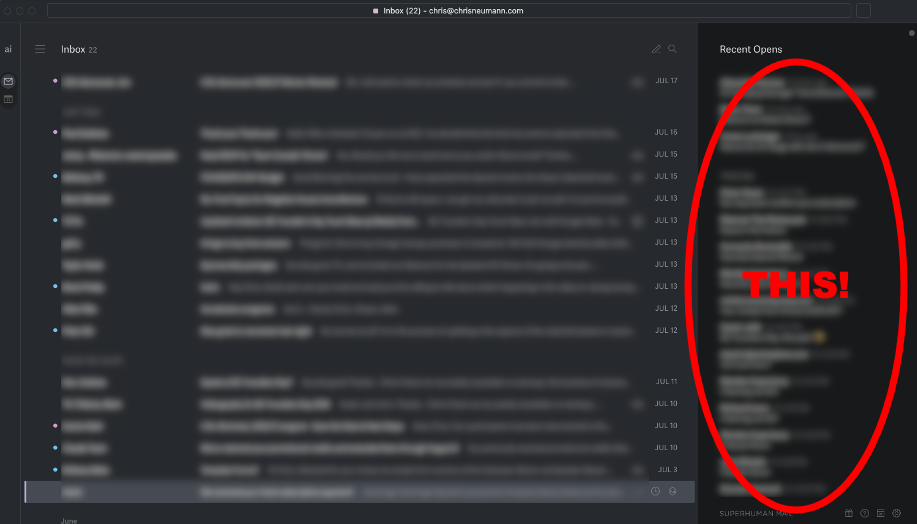
For starters, you should presume that the person who sent you the email has read receipts enabled. You should also presume that they might be keeping tabs on whether or not you opened it. Not because they’re weirdly obsessed with you, but because high-throughput email clients like Superhuman now put the open feed front and center:
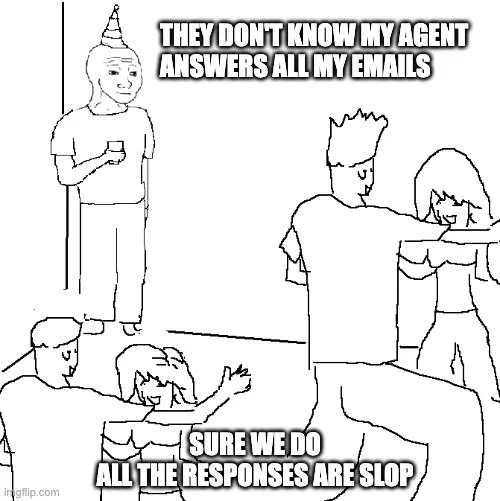
And for those of you chuckling at this because your AI agent now takes care of all your emails, I promise that, “I didn’t see your email because my agent sucks at filtering,” isn’t going to buy you much credibility either.
In any case, there’s a good chance that many of the people you interact with these days are aware of how long it takes you to respond to their emails. Virtually every VC I know uses Superhuman. As do a significant percentage of founders in my network. Most of the time, your email response behavior isn’t going to make one iota of difference in your life. But if the person you’re responding to is in the process of evaluating you (such as an investor deciding whether or not to back your startup or someone in a position of influence trying to gauge if you respect their time), you might want to rethink how you handle email.
If an email takes less than a minute to respond to, just do it (this has been best practice for a long time, yet many of us still don’t)
If a request is going to take time for you to complete, send a quick note of acknowledgement to show your responsiveness
And most importantly, stop sending emails claiming that “I just saw this” after opening and closing it for weeks
Even if you’re not at the point where you’re willing to trust an agent to fully manage your inbox, with AI now embedded into virtually every email client, there really isn’t a credible reason to let your backlog build up. Let the AI auto-generate quick responses for you and either tweak them or quickly hit send.
More than ever, velocity is the one metric that matters most. And for better or worse, email read receipts now provide a measurable indication of your velocity and how you prioritize things.
Reply quickly or be honest when you don’t. Your reputation will thank me later.