On Resilience, Rockets and IPOs
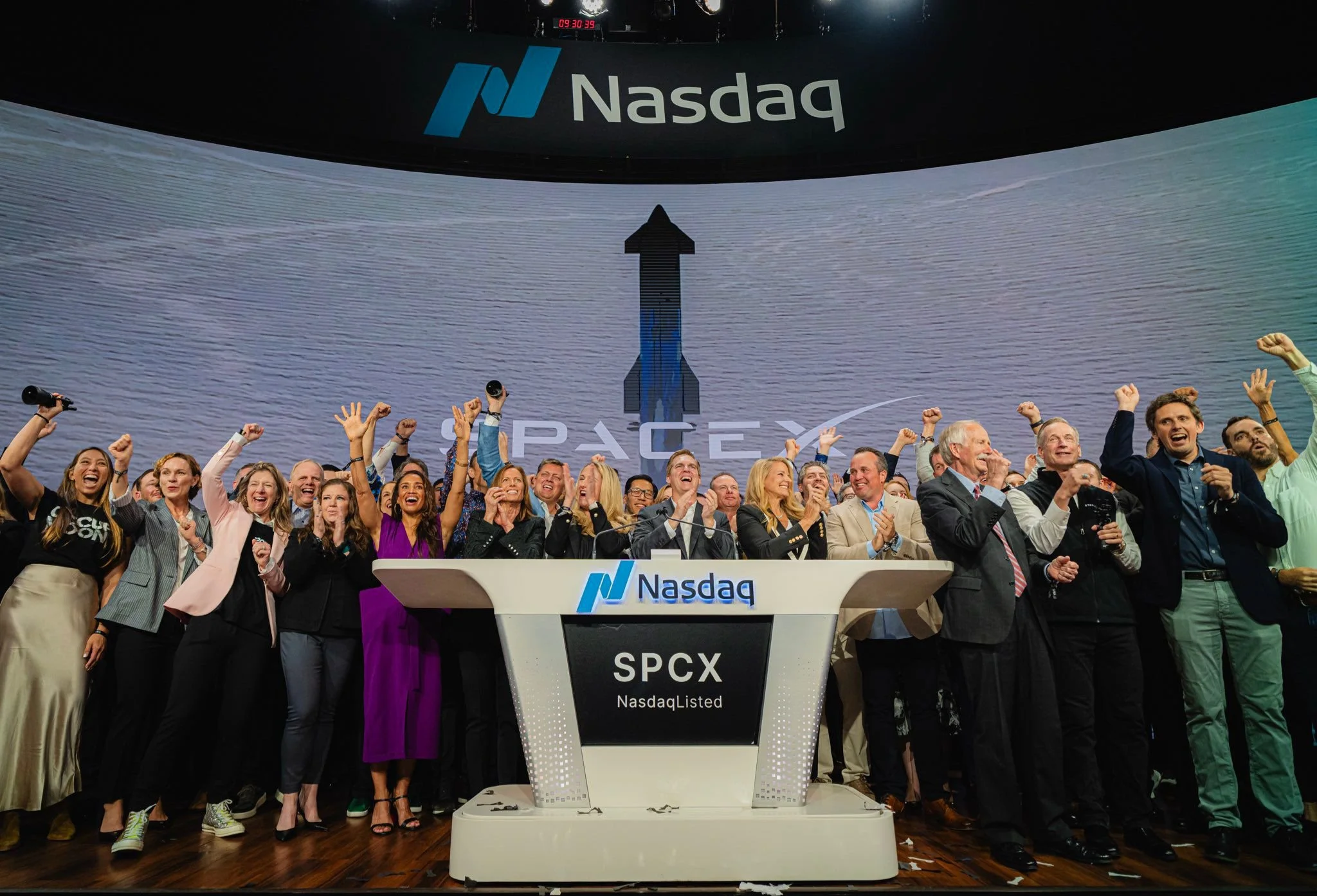
Plenty of articles have been written about the history of SpaceX. Stories of how the company nearly failed after its first three rockets exploded. About how it almost ran out of cash during the financial crisis and Elon Musk had to borrow money to keep it afloat. About how its recent IPO minted the world’s first trillionaire.
This is not one of those stories.
Nearly 25 years ago, I arrived at Stanford as a wide-eyed Canadian kid excited to study computer science at one of the best schools in the world. I did my undergrad at Simon Fraser University, which I imagine was a pretty typical CS experience in those days (insofar as the computer science kids were mostly the weirdos in the corner who no one else talked to).
Stanford was different. Most people truly have no idea just how special a place it is. At Stanford, everyone is an uber nerd in whatever field they chose to study. Computer science was one of the larger graduate programs in those days, but there were programs and sub-programs for just about every field imaginable, from financial mathematics to international policy.
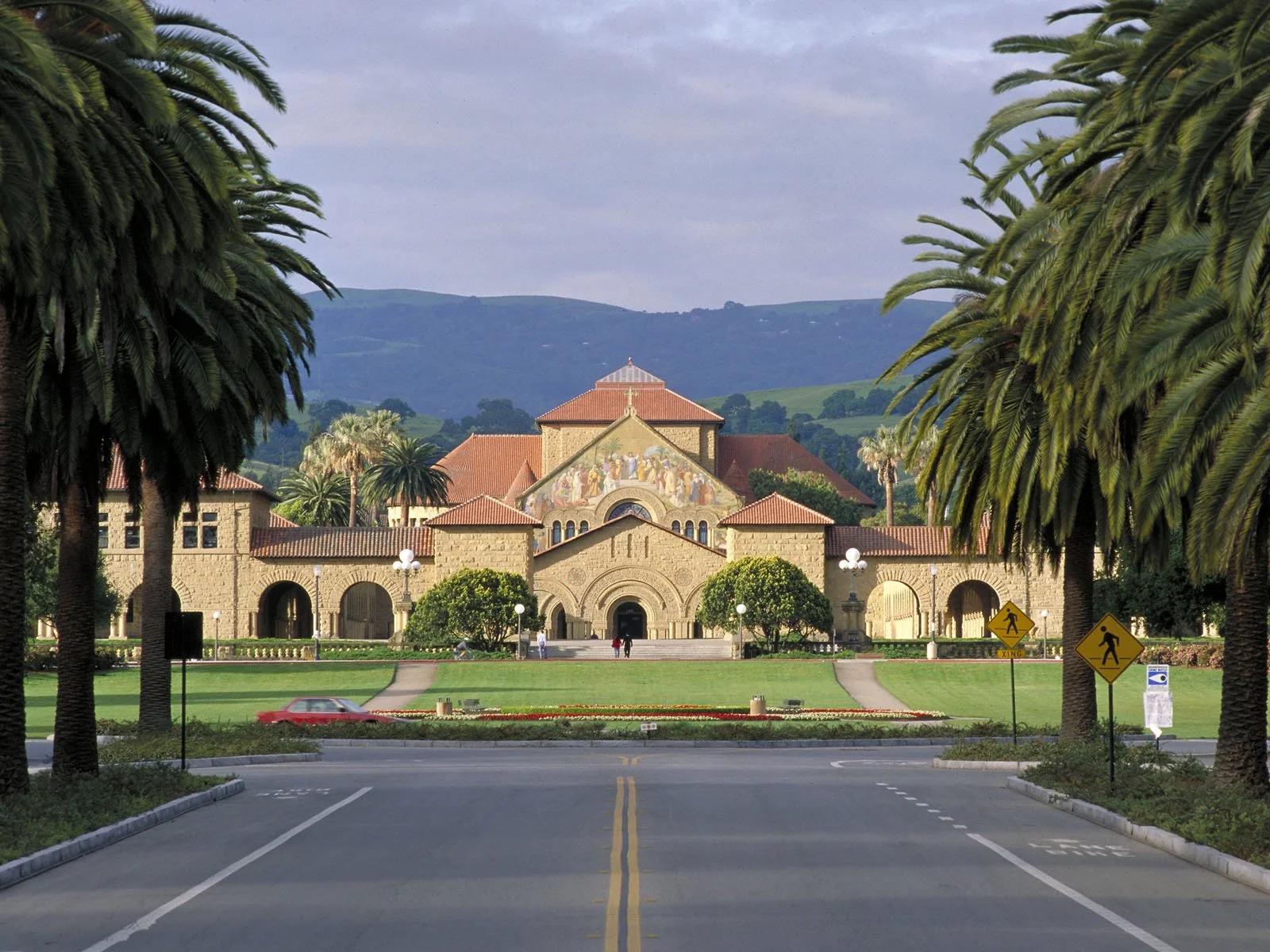
There’s no drive in the world quite like this one
Almost everyone at Stanford lives on campus, so you meet all sorts of exceptional people from different programs. I ended up with a bunch of friends who were in aeronautics and astronautics (colloquially knows as “aero-astro”). Kids who were studying to be literal rocket scientists.
Masters degree programs are generally short (1-2 years), so it wasn’t long before conversations shifted from how excited we all were to be at Stanford to what we were going to do next. As graduation approached, I noticed that many of my aero-astro friends didn’t have the same level of excitement as the rest of our group. I recall asking one of those friends about his post-Stanford plans. He shrugged his shoulders,
“There aren’t that many good jobs,” he lamented. “You can work for a bloated dinosaur like Lockheed or Northrop, try to get a government job (NASA, ESA, etc.) or go into academia. That’s about it.”
I was pretty shocked to hear him say that. These were some of the smarted people I had ever met, yet there seemed to be no path forward in their chosen field other than becoming a cog-in-the-wheel at a giant corporate. At a time when fast-growing software companies like Google, Amazon and Apple were hiring just about anyone they could, it was a sharp contrast to my own experience.
A few weeks later, I was hanging out with another aero-astro friend and again got to talking about our summer plans. She casually mentioned that she was about to join a startup. Apparently, a member of the famed PayPal mafia had a background in physics and decided to use his newfound wealth to try to start a new rocket company.
After graduation, my friend moved to LA and joined Space Exploration Technologies Corporation. That was 23 years ago.
The original SpaceX “office” was in a nondescript warehouse in El Segundo, a fairly industrial corner of west LA just north of the beach towns of Manhattan Beach, Hermosa Beach and Redondo Beach. I remember visiting it for the first time and being shocked to see a full-sized rocket being assembled just down the street from strip malls and drive-thrus.
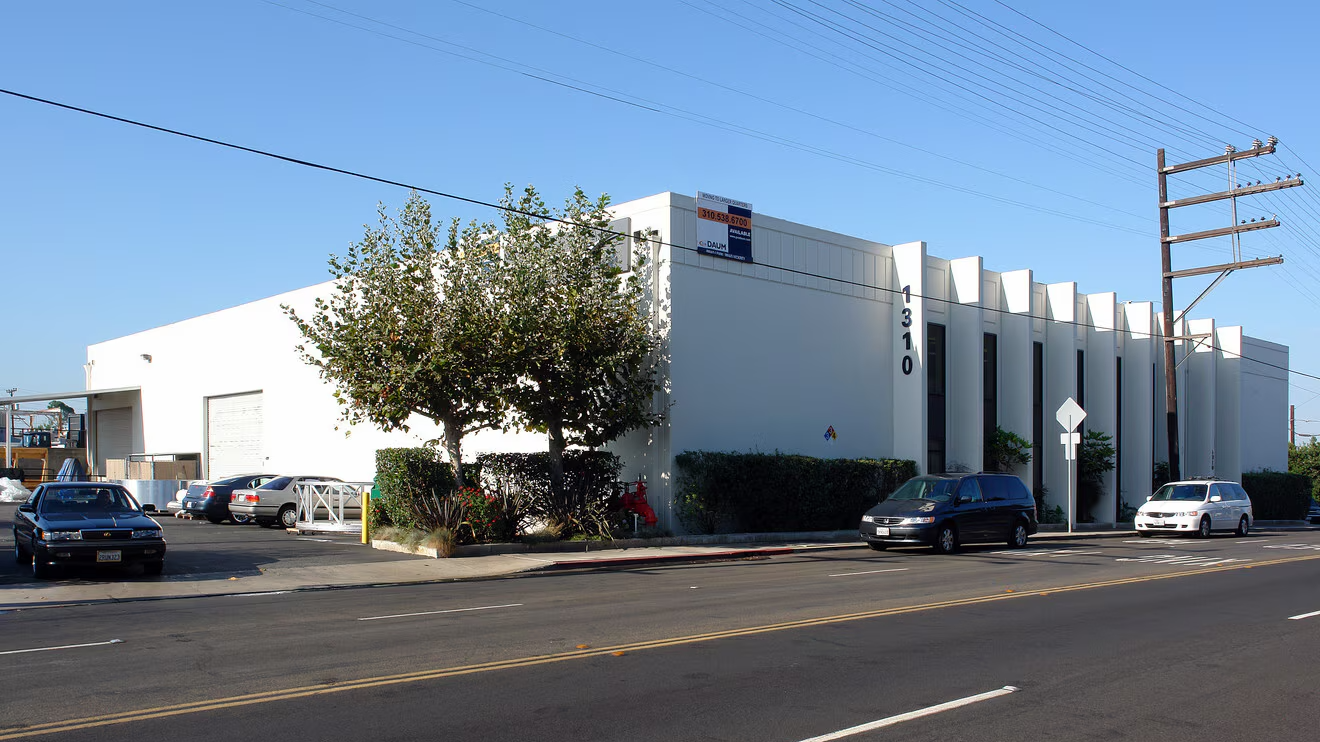
SpaceX’s original office
At a time when Silicon Valley offices were already overflowing with perks and creature comforts, the SpaceX warehouse was an exercise in austerity. There were no foosball tables. No video games. Just computers flashing with CAD designs and piles of wires, metal sheets and manufacturing equipment. (Actually, there was one fun item in the office — Elon owned one of the first Segways and he was eager to show anyone who stopped by what the “future” of urban transportation looked like.)

Bizarrely, I once spent a Saturday afternoon driving one of these around the original Merlin engine
In contrast to typical software companies, the employees of SpaceX weren’t shipping something new every day. They didn’t get the dopamine hits from watching a new product go viral or reading the reviews about a feature they’d just released. They met up as a team each day before work, went surfing to build camaraderie (pretty cool, if you ask me) and then headed into the office to toil away. And they quietly did that for years.
The first launch attempt happened in 2006, 4 years after SpaceX was founded. The first successful launch took another 2 years. That’s 6 years from the founding of the company until the first rocket made it into orbit.
Aster Data went from founding to being acquired by Teradata in 5.5 years. DataHero was acquired 4.5 years after it was founded. It took longer for the SpaceX team to complete a single “end-to-end test” than it did for either of the startups I was a part of to complete their entire lifespan.
Now multiply that by 4.
Most people in Startupland™ can’t fathom the idea of working for a single company for more than twenty years. To be a “lifer” in tech is generally seen as a negative. The implication is that you got comfortable. You couldn’t keep up. You lost your drive and your ambition.
Silicon Valley’s culture is far more mercenary than missionary. Many engineers hop from startup to startup, collecting stock options and increasingly ludicrous salaries with little regard for what they’re actually building. The skillsets of most people in tech are so transferable and so in-demand that an incredible number move on the minute things get uncomfortable (or the moment they see a shinier opportunity). I’ve lost track of how many people I’ve met who brag about being an early employee at Uber, Pinterest or some other hotshot company, only to discover that they barely lasted a year there.
Until recently, “going to another startup” simply wasn’t possible for aero-astro engineers. For the early team at SpaceX, failure meant having to go work for a bloated corporate. Or worse, the government. There was no fallback plan.
This weekend, a number of those early SpaceX employees woke up to find themselves on the receiving end of generational wealth. Each and every one earned it in a way that few people in Startupland™ can relate to: a two decade-long grind that, for most part, was completely unglamorous. It’s the furthest thing from an overnight success that one can imagine and I am genuinely happy for each and every one of them.
At a time when AI is making it easier than ever for founders to pivot and early employees to jump ship, I’m reminded about what Silicon Valley used to be about: the weirdos in the corner quietly and unglamorously trying to change the world.
Let’s get back to that.